Nice Opera Ballet Presentation
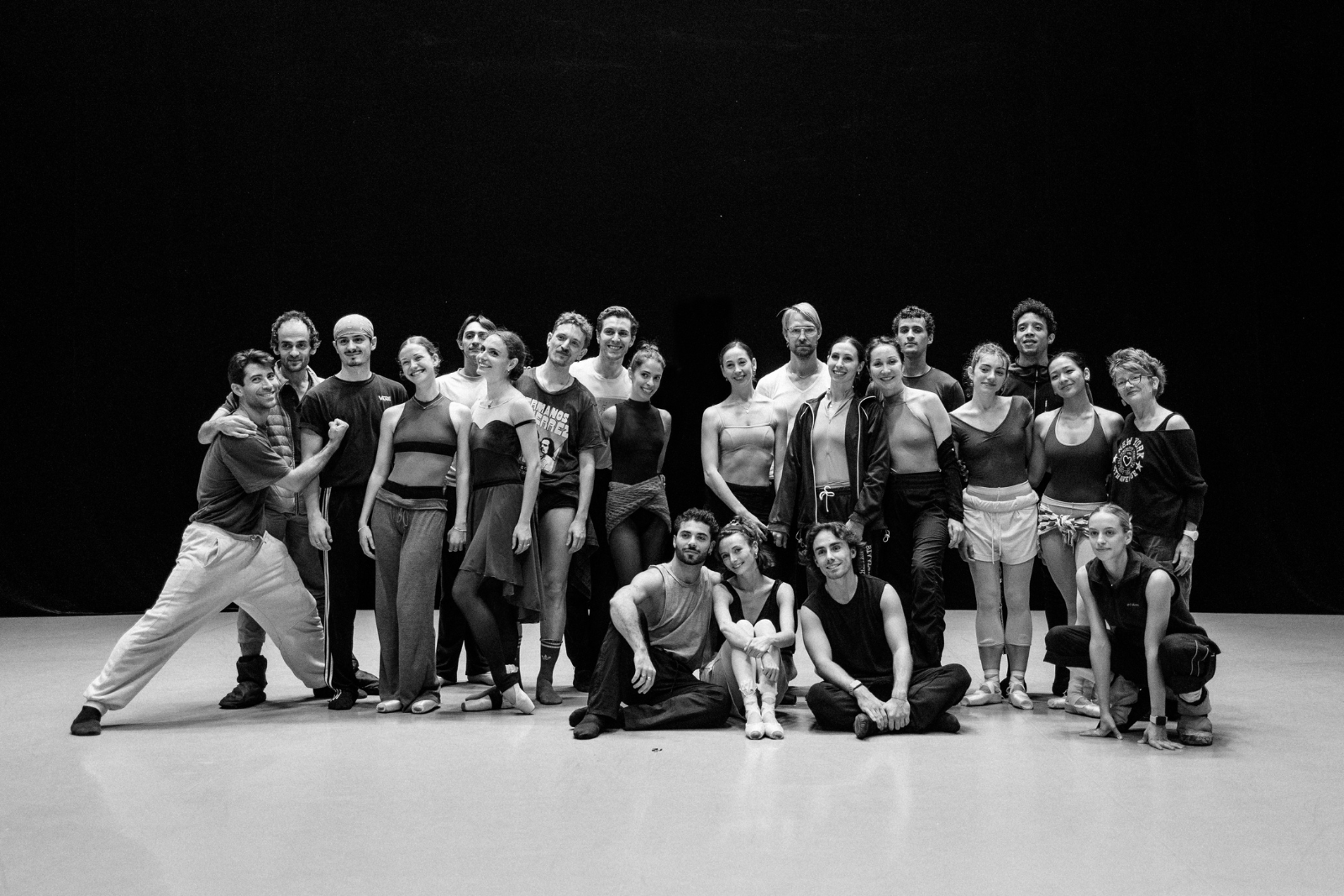
The origins of the company
Founded in 1947 on the initiative of Pierre Pasquini, the Ballet de l’Opéra de Nice quickly established itself as a major player on the French choreographic scene. From the outset, the company enjoyed considerable renown thanks to prestigious collaborations and guest stars, supported by the commitment of renowned ballet masters and choreographers such as Françoise Adret (principal ballet mistress), Lycette Darsonval, and Jean-Pierre Ruffier.
An artistic renaissance
In 2009, the company experienced a new boom under the direction of Éric Vu-An, a principal dancer from the Opéra de Paris, and took the name Ballet Nice Méditerranée. It then enriched itself with new talent and developed numerous collaborations, notably with the Conservatoire de Nice, the Pôle National Supérieur Rosella Hightower, and the Monaco Dance Forum. The Ballet performs on the biggest stages in France and internationally—from the Mediterranean to Asia (Italy, Spain, China, etc.)—and pursues an ambitious policy of engaging young audiences through educational projects.
An eclectic repertoire
Combining classical rigor with contemporary audacity, the Ballet Nice Méditerranée asserts its identity through a rich and varied repertoire. It creates a dialogue between the great masterpieces of ballet (Don Quixote, Coppélia, Romeo and Juliet, La Sylphide) and contemporary creations by Jiří Kylián, Nacho Duato, Maurice Béjart, Alvin Ailey, and Thierry Malandain.
Creation at the heart of the project
Under the leadership of Éric Vu-An until his death in 2024, the company placed creation at the center of its artistic project. Numerous works were commissioned from international choreographers such as Lucinda Childs, Giorgio Mancini, Didy Veldman, and Julien Guérin, enriching a constantly evolving repertoire that remained faithful to the spirit of excellence and openness of the Ballet Nice Méditerranée.
A new impetus
In December 2024, dancer and choreographer Pontus Lidberg took over as director of the company, which became the Ballet de l'Opéra Nice Côte d'Azur. Under his leadership, the Ballet aims to develop its own identity and repertoire in order to establish the company's long-term presence on the national and international choreographic scene.